Morphological Analysis of Bronze Age Clay Vessels (Based on Materials from the East Kazakhstan Regional Museum of History and Local Lore)
Research Article
Views: 318 / PDF downloads: 228DOI:
https://doi.org/10.32523/3080-129X-2026-154-1-38-59Keywords:
East Kazakhstan, Bronze Age, ceramics, Andronovo cultural and historical community, Nura culture, morphology, formAbstract
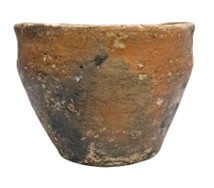
This paper presents a comprehensive morphological analysis of a representative collection of Bronze Age ceramics housed in the funds of the Regional Museum of Local History (Ust-Kamenogorsk). The research is based on vessels recovered during archaeological excavations of landmark sites in the region: the Marinka, Barashki, Berezovsky, and Zevakinsky burial grounds. These objects are localized within key geographical zones of East Kazakhstan, making their analysis highly representative for understanding the ethnocultural processes that occurred across the entire territory of the region. It is important to note that the study aims to reconstruct regional pottery traditions through the analysis of vessel forms, ornamental stylistics, and comparative studies of ceramic assemblages to establish genetic links or cultural distinctions. Within the framework of this approach, morphological analysis based on the formation of functional parts revealed a significant structural diversity, ranging from simple 3-part to complex 6-part designs. The study of functional part formation identified distinct chronological dynamics, demonstrating the selectivity of technological innovations. A progressive development of body shape is observed in pot-type vessels, whereas jar-shaped forms exhibited simultaneous regression. This suggests shifting functional requirements driven by the socio-economic transformation of Bronze Age society. A complex synthesis is recorded in the ornamental tradition: the preservation of a stable local foundation, serving as a marker of collective identity, alongside the active absorption of external cultural impulses. Although the core of the collection aligns with the Nura cultural circle, the discovery of «imitation vessels» with Alakul and Tagar parallels serves as direct evidence of extensive intercultural contacts and migration processes within the framework of the Andronovo cultural and historical community. This is further supported by foreign cultural decorative techniques that imitate various types of combed and smooth ornamental stamps. In conclusion, it should be emphasized that this research identifies specific features of ceramic production reflecting both conservative local traditions and dynamic external influences. The findings enable a precise reconstruction of cultural interactions, technological paradigm shifts, and the chronological evolution of material culture across the region’s steppe and forest-steppe zones.
Downloads
References
Arslanova F. Pamyatniki andronovskoy kultury iz Vostochno-Kazakhstanskoy oblasti. Soviet Archeology. 1973. No.4, рр.160-168.
Arslanova F. Pogrebalnyy kompleks VIII-VII vekov do nashey ery iz Vostochnogo Kazakhstana Into the Depths of Centuries: An Archaeological Collection. Alma-Ata: Science. Kazakh SSR. 1974. Рp.46-61.
Arslanova F. Pogrebeniya epokhi bronzy Zevakinskogo mogilnika. Prehistoric Archaeology of Siberia. Leningrad: Science. 1975. Рp.73-78.
Bobrinskii A. O metodike izucheniya form glinyanoy posudy iz arkheologicheskikh raskopok. The Shapes of Clay Vessels as a Subject of Study. A Historical-Cultural Approach. Moscow: Institute of Archeologyof the RAS. 2018а. Рp.11-25.
Bobrinsky A. Podgotovka form sosudov k analiticheskomu izucheniyu. The Shapes of Clay Vessels as a Subject of Study. A Historical-Cultural Approach. Moscow: Institute of Archeology of the RAS. 2018b. Рp.39-40.
Bobrinskii A. Obolochki funktsionalnykh chastey glinyanoy posudy. The Shapes of Clay Vessels as a Subject of Study. A Historical-Cultural Approach. Moscow: Institute of Archeology of the RAS. 2018с. Рp.41-59.
Volkova Ye. Ob otnositel'noy ustoychivosti ornamental'nykh traditsiy v goncharstve (po materialam epokhi bronzy). Brief reports from the Institute of Archaeology. 2018. No.251, рp.96-109.
Zdanovich G. Keramika epokhi bronzy Severo-Kazakhstanskoy oblasti. Questions of the archaeology of the Urals. 1973. No.12, рp.21-43.
Zotova S. Kovrovye ornamenty andronovskoy keramiki. New Developments in Soviet Archaeology. Materials and Research on the Archaeology of the USSR. Moscow: Science. 1965. No.130. Рp.177-181.
Kovtun I. Andronovskiy ornament (morfologiya i mifologiya). Kazan: Kazan Real Estate. 2016. 547 р.
Poselenie Mochishche i andronovskaya problema. S. Grigoriev, L. Petrova, M. Pleshanov, E. Gushchina, Yu. Vasina. Chelyabinsk: Cicero. 2018. 398 р.
Rudkovsky I. Andronovskaya ornamentika v kontekste sistemoobrazuyushchikh invariantov. Almaty: Hikari Publ. 2013. 189 р.
Savko I., Kholoshin P., Demin M., Sitnikov S. Analiz form glinyanykh sosudov mogil'nika Chekanovskiy Log-2 andronovskoy (fedorovskoy) kul'tury predgoriy Altaya. Bulletin of Archeology, Anthropology and Ethnography. 2023. No.1(60), рp.32-44. DOI: https://doi.org/10.20874/2071-0437-2023-60-1-3
Sukhanov Ye. Ob ustoychivosti funktsional'nykh chastey glinyanykh sosudov: (Eksperimental'noye issledovaniye). «History of Ceramics» Bulletin. No.3. Ed. by Yu. Tsetlin. Moscow: Institute of Archeology of the Russian Academy of Sciences. 2021. Рp.116–143.
Tkachev N. Tkachev A. Epokha bronzy Verkhnego Priirtyshya. Institute of Problems of Northern Development. Novosibirsk: Science. 2008. 304 р.
Kholoshin P. Opyt izucheniya velichiny sluchaynykh kolebaniy funktsional'nykh chastey sosudov. New Materials and Methods in Archaeological Research: From Source Criticism to Data Synthesis and Interpretation: Materials of the International Conference of Young Scientists. Ed. V.Ye. Rodinkova. Moscow: Institute of Archeology of the Russian Academy of Sciences. 2019. Рp.204-206.
Tsetlin Yu. Drevnyaya keramika. Teoriya i metody istoriko-kulturnogo podkhoda. Moscow: Institute of Archeology of the Russian Academy of Sciences. 2012. 384 р.
Tsetlin Yu. Ponyatiya «kachestva» dlya analiza obema sosudov. Brief Communications of the Institute of Archaeology. Moscow: Languages of Slavic Culture: Sign. 2015. No.239. Рp.393-408.
Tsetlin Yu. Ob obshchem podkhode i metodike sistemnogo izucheniya form sosudov. Forms of Clay Vessels as a Subject of Study. Historical and Cultural Approach. Moscow: Institute of Archeology of the Russian Academy of Sciences. 2018. Рp.124-179.
Published
Issue
Section
License
Copyright (c) 2026 D. Shaimukhanova, R. Zhumatayev

This work is licensed under a Creative Commons Attribution-NonCommercial-NoDerivatives 4.0 International License.