Bronze Age Mining Communities in the Semey and Pavlodar Irtysh region
Research Article
Views: 556 / PDF downloads: 329DOI:
https://doi.org/10.32523/3080-129X-2025-152-3S1-162-175Keywords:
вronze Age, migration, mining, ancient mines, metallurgy , Afanasievo culture, Yamnaya cultureAbstract
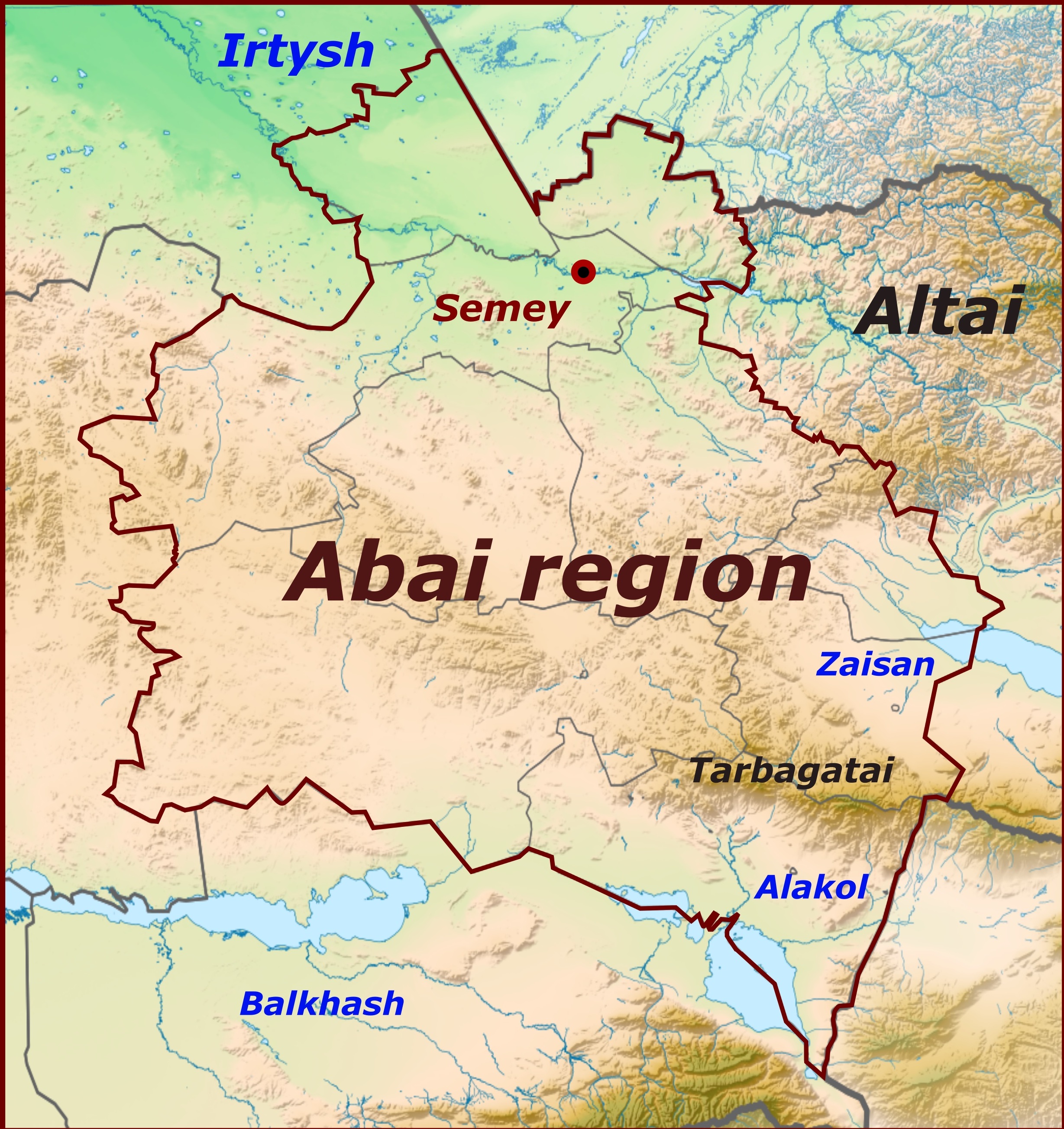
The publication examines issues in the history of the study of archaeological cultures and the development of metallurgy in the Bronze Age. An important region for understanding the complexity and characteristics of these processes in Northern Eurasia is the territory of the Abay region of the Republic of Kazakhstan. Traces of the emergence of mining and a manufacturing economy have been recorded at sites in the Semey and Pavlodar Irtysh regions. The purpose of this article is to provide a historiographical overview and determine the extent of research on this topic. The list includes works that highlight the results of archaeological research into settlements, burial grounds, and ancient mining sites. The Early Bronze Age period is key to understanding this. Therefore, to achieve this goal, the authors set out to analyze published data on sites whose cultural layers contain evidence of late Eneolithic and Early Bronze Age materials. This allowed us to refine the chronology of the initial Early Metal Age in the region. Data on the ceramic assemblage, metal objects, and burial rites made it possible to examine the historical and cultural affiliations of the monuments. Research materials from ancient mines and workings for tin, copper, and gold characterize ancient technologies developed by tribes that inhabited the region during the Bronze Age. A significant role is given to a historiographical review of studies devoted to the study of metals and the chemical composition of ores, which demonstrate the uniqueness of the ore deposits of eastern Kazakhstan. Data from natural science analyses are necessary to identify the boundaries of a regional metallurgical center and the routes of distribution of products from this center. The discussion and results describe the processes of penetration of the Early Bronze Age archaeological cultures into the region: the Yamnaya and Afanasievo cultures. The use of additional sources allowed the authors to hypothesize the routes taken by the Early Bronze Age population, traces of which have been recorded at sites in Western, Northern, and Eastern Kazakhstan, and to understand their role in the subsequent development of mining and Bronze Age cultures. This concerns the monuments of the first half of the 2nd millennium BC, united into the Alakul and Nura (Fedorovskaya) archaeological cultures. As can be seen from the sources, the subsequent coexistence of two cultural formations in the same territory during the 16th–15th centuries BC became the basis for the formation of the Alekseevsko-Sargary archaeological culture of the 15th–12th centuries BC, which played an important role in the final stage of the Bronze Age.
Downloads
References
Archi A. Some Remarks on Ethnoarchaeology and Death in the Ancient Near East. In: How to Cope with Death: Mourning and Funerary Practices in the Ancient Near East. Proceedings of the International Workshop, Firenze, 5th–6th December 2013 (Ricerche di Archeologia del Vicino Oriente 5). Pisa: Edizioni ETS. 2016. Pp.29–48.
Görsdorf J., Parzinger H., Nagler A., Leontev N. Neue 14C-datierungen für die sibirische Steppe und ihre Konsequenzen für die regionale Bronzezeitchronologie. Eurasia Antiqua. 1998. No.4, pp.73–80.
Ageeva E., Maksimova A. Report of the Pavlodar expedition of 1955. In: Proceedings of the Institute of Archaeology and Ethnography of the Academy of Sciences of the Kazakh SSR. Vol. VII (Archaeology). Alma-Ata. 1959. Pp.32–58.
Aleksin V. Social structure and burial rites of ancient agricultural communities. Leningrad: Nauka Publ. 1986. 194 p.
Andrianov A. Materials on the archeology of the Ust-Kamenogorsk region. Semipalatinsk. 1929. 19 p.
Baklakov M. Ancient mine workings at the Temir copper deposits. For the industrialization of the Soviet East. 1932. No.2, pp.193–194.
Bisembaev A., Mamirov T., Mamedov A., Bairov N., Amelin V., Urazova A., Bidagulov N. Study of Yamna culture monuments in Western Kazakhstan. In: Kadyrbaev Readings – 2016. Proceedings of the international scientific conference. Aktobe: A. Margulana Institute of Archaeology. 2016. Рp.103–109.
Gening V., Evdokimov V. Loginovskoye settlement. Research of the Urals archaeologists. 1969. Vol.8, pp.115–117.
Gening V., Gusnencova T., Kondratev O., Stefannov V., Trofimenko V. Periodization of the Neolithic and Bronze Age Settlements of the Middle Irtysh Region. In: Problems of Chronology and Cultural Affiliation of Archaeological Monuments of Western Siberia. Proceedings of Meetings. May 25–31, 1970. Tomsk: Tomsk University Press. 1970. Pp.12–51.
Gucalov S. Tribes of cattle breeders and farmers of the Bronze Age (3rd–2nd millennia BC). History of Western Kazakhstan. Vol.I. Aktobe. 2006. 250 p.
Dorozhevskij N. Yamny mound of Shoktyba III. In: Cultural Studies and History of Ancient and Modern Societies of Siberia and the Far East. Proceedings of the 42nd Regional Archaeological and Ethnographical Student Conference, Omsk, April 16–19, 2002. Omsk: OmGPU Publ. 2002. Pp.45–52.
Evdokimov V., Loman V. Excavations of a pit kurgan in the Karagandinsk region. In: Archaeology of Northern and Central Kazakhstan. Karaganda: KarGU. 1989. Pp.34–46.
The Eluninsky archaeological complex of Teleut Vzvoz-I in the Upper Priob: an interdisciplinary study. Grushin S., Kirjushin Ju., Tishkin A., Gorbunov V., Kazakov A., Djadkov P., Pozdnjakova O., Solodovnikov K., Tur S., Potemkina T., Bondarenko A., Borisov V., Kosincev P., Gajduchenko L., Val'kov I., Miljaev G., Sataeva L., Volkov P., Ponomareva E., Voronkin K. Barnaul: Altaj University Publishing House. 2016. 270 p.
Krizhevskaya L. Some data on the Neolithic and early Bronze Age of the West Siberian forest-steppe. In: Siberia and its neighbors in ancient times. Novosibirsk. 1970. Pp.153–162.
Krizhevskaya L. Early Bronze Age in the Southern Trans-Urals. Leningrad: Leningrad University Publishing House. 1977. 129 p.
Komarova M. Neolithic of the Upper Priob. Brief communication of the Institute of History and Material Culture of the USSR Academy of Sciences. 1956. No.64, pp.93–103.
Kushaev G. Sketches of the ancient history of the Steppe Urals. Uralsk: Dialog company. 1993. 172 p.
Logvin A. Sintashta-Petrovsky antiquities of the Turgai trough: Dissertation for the degree of Candidate of Historical Sciences (07.00.06 – archeology). Vol.1, 2. Kemerovo. 2019. 429 p.
Merts V., New Andronovo burial ground in Pavlodar Priirtysh. In: Archaeology and Ethnography of Siberia and the Far East. A Collection of Abstracts. 34th Regional Archaeological and Ethnographic Student Conference of Siberia and the Far East. Barnaul: Izdatelstvo Altajskogo universiteta. 1994. Pp.42–44.
Merts V., Frank D. Excavations near the village of Michurino. In: Collection and study of the cultural heritage of the Altai Territory. Proceedings of the scientific and practical conference. Barnaul: Izdatelstvo Altajskogo universiteta. 1996. Pp.71–76.
Merts V. On new monuments of the Early Bronze Age of Kazakhstan. In: Historical experience of economic and cultural development of Western Siberia. Barnaul. 2003. Рp.132–141.
Merts V. New materials on Neolithic and early bronze of North-Eastern Kazakhstan. In: International scientific and practical conference “Margulan Readings – 2015”. Almaty: Publishing House of the Institute of Archaeology. 2004. Pp.165–169.
Merts V. On the problem of migration in the Early Metallurgical Age (on a Yamnogo-type burial on the Irtysh). In: Problems of archeology: the Urals and Western Siberia. Kurgan. 2007. Pp.71–75.
Merts I. History of the study of the early Bronze Age of Eastern and northeastern Kazakhstan. In: Economic and cultural traditions of Altai in the Bronze Age. Barnaul: Slovo Publishing House. 2010. Pp.49–58.
Molodin V. Monuments of the Odinovsky type in the Barabinsk forest-steppe. In: Problems of West Siberian Archaeology. The Stone and Bronze Ages. Novosibirsk: Nauka Publ. 1981. Pp.63–75.
Molodin V., Epimahov A., Marchenko Zh. Radiocarbon chronology of the Bronze Age cultures of the Urals and South of Western Siberia: principles and approaches, achievements and problems. Bulletin of Novosibirsk State University. Series: History and Philosophy. 2014. Vol.3, pp.136–167.
Motuzaite-Matuzeviciute G., Lightfoot E., O'Connell T., Voyakin D., Liu X., Loman V., Svyatko S., Usmanova E., Jones M. The extent of cereal cultivation among the Bronze Age to Turkic period societies of Kazakhstan determined using stable isotope analysis of bone collagen. Journal of Archaeological Science. 2015. Vol.59, pp.23–34. DOI: https://doi.org/10.1016/j.jas.2015.03.029
Munchaev R., Terpert N. Early agricultural settlements of Northern Mesopotamia. Moscow: Nauka Publ. 1981. 320 p.
Orazbaev A., Toluebev A. New Andronov monuments of the Semipalatinsk region. In: Collection of materials from the conference “Margulan Readings – 1990”. Part 1. Moscow. 1992. Pp.50–57.
Panyushkina I. Calendar age of the Khalvay burial group. In: The Bronze Age burial ground of Khalvay III in Northern Kazakhstan. Astana: A.H. Margulana Institute of Archaeology. 2015. Pp.218–220.
Sarianidi V. Antiquities of the Old Margush. Ashgabat: Ylym. 1990. 316 p.
Sakenov S., Ganieva S. Materials from the Bronze Age burial ground Tazhygul in solving problems of the Nura archaeological culture In: Eurasian Steppe Civilization: Human and the Historical and Cultural Environment. Proceedings of the 5th International Congress on the Archaeology of the Eurasian Steppes. In 5 volumes. Almaty – Turkestan: A. Margulana Institute of Archeology. 2022. Vol.1, pp.126–135.
Sakenov S. Settlement of cattle breeders and metallurgists of the Bronze Age Shagalaly II. In: Materials and research on the archeology of Kazakhstan. Almaty: A. Margulan Institute of Archeology. 2024. Vol. XXIII. 360 p.
Tkacheva N. Monuments of the Bronze Age of the Upper Irtysh: Description of the thesis for the Degree of Candidate of Historical Science 07.00.06. Barnaul. 1997. 19 p.
Tkachev A., Merts V., Tkacheva N. Excavations of the Kenzhekol 1 burial site in Pavlodar Priirtysh. Bulletin of Archaeology, Anthropology and Ethnography. 2005. No.6, pp.302–305.
Khokhlov A., Kitov E. On the anthropology of the early Bronze Age in Western Kazakhstan. Bulletin of Archeology, Anthropology and Ethnography. 2012. No.1(16), pp.64–71.
Chernikov S. Eastern Kazakhstan in the Bronze Age. Materials and Research on the Archaeology of the USSR. No. 88. Moscow, Leningrad: Publishing House of the Academy of Sciences of the USSR. 1960. 272 p.
Downloads
Published
Issue
Section
License
Copyright (c) 2025 S. Sakenov, S. Yaryginа

This work is licensed under a Creative Commons Attribution-NonCommercial-NoDerivatives 4.0 International License.